

On this page
A good real estate website helps people find properties quickly, judge them confidently from the page, and contact you with almost no effort. That means clear listings, fast search, strong photography, visible trust signals and easy ways to enquire. When those pieces work, a visitor who is only browsing turns into a conversation.
1. Fast, simple property search
Most visitors arrive wanting to find something that fits. Let them filter by the things that matter, such as location, price range, type, size and number of rooms, and show results quickly. A map view helps people understand where properties are.
2. Clear, attractive listing pages
Each listing should answer the obvious questions at a glance:
- High-quality photos, shown large.
- Price, size, location and key features near the top.
- A clear description that is honest and easy to scan.
- A map and nearby places.
- Floor plans, videos or virtual tours where available.
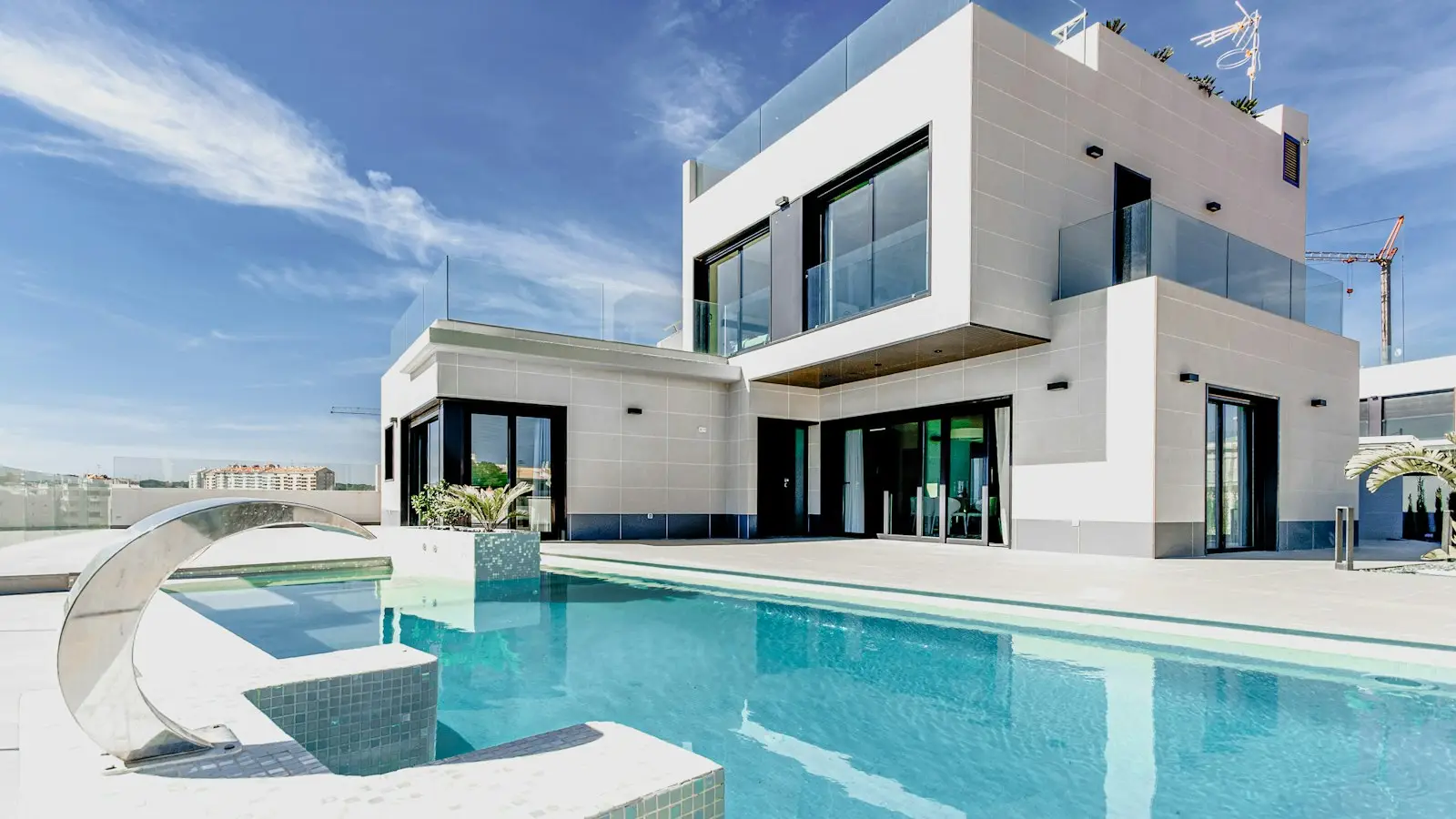
Strong photography is often the single biggest difference between a listing that gets attention and one that is ignored.
3. Easy ways to get in touch
Do not make people hunt for a contact option. Put a clear enquiry form, call button and messaging option on every listing, and make sure they work well on a phone. Many people enquire from their mobile while they are browsing.
4. Lead capture that goes somewhere
An enquiry is only valuable if it is handled quickly. Connect forms to your CRM or email so leads arrive instantly, and set up a prompt confirmation so visitors know you received their message.
5. Build trust
Buying or renting is a big decision. Help people trust you with:
- Agent and team profiles with real photos.
- Client reviews and testimonials.
- Clear information about your services and how you work.
- Accurate, up-to-date listings.
6. Local content that helps
People often search by area. Helpful pages about neighbourhoods, buying or renting guides and market tips show you know the area, and give search engines more to understand. Our local SEO work supports this.
7. Speed and mobile first
Listings are image-heavy, so pages can easily become slow. Compress and size images properly, and make sure every page works comfortably on a phone, where many property searches begin.
8. Easy to keep up to date
Listings change often. Your team should be able to add, edit and remove properties without a developer, and old listings should be marked clearly or removed so visitors are never misled.
9. Built to be found
Clear page structure, helpful titles and descriptions, and strong local signals help the right people find your listings in search. Good structure also makes each property page easier to share.
10. Room to grow
Think ahead: more agents, more areas, saved searches, alerts or a client portal. Planning for growth keeps you from rebuilding later.
How we can help
We build websites and web apps that suit property businesses, with fast search, clear listings and enquiries that connect to your tools. See our approach on the real estate industry page, or tell us what you need and we will suggest the right setup.
Frequently asked questions
What is the most important feature of a real estate website?
A fast, clear property search with good photos and an easy way to enquire. If people can find a property they like and contact you in a few taps, the site is doing its job.
Do I need to connect my website to a CRM?
It is very helpful. Connecting enquiry forms to a CRM means leads reach you immediately and are tracked from first contact, so none are lost.
How can my agency stand out online?
Strong photography, clear listings, helpful local content, visible reviews and fast responses all help. A site that feels trustworthy and easy to use sets you apart from busier, cluttered ones.
Related services
Need help with industries?
Tell us what you are planning and we will point you to the right next step. No pressure.